


What Makes a Good Business? The story of Doornite shows that sometimes the key is to look at the whole picture through the right lens, eliminate what isn’t working, and, conversely, add the missing pieces. It requires nothing more than a true entrepreneurial spirit—one that combines enthusiasm for the cause, common sense, and unflagging ingenuity. The Jihlava-based company found that spirit in 2015. Since then, it has transformed from a struggling subsidiary of a distant multinational parent company into a dynamic, self-reliant entity.
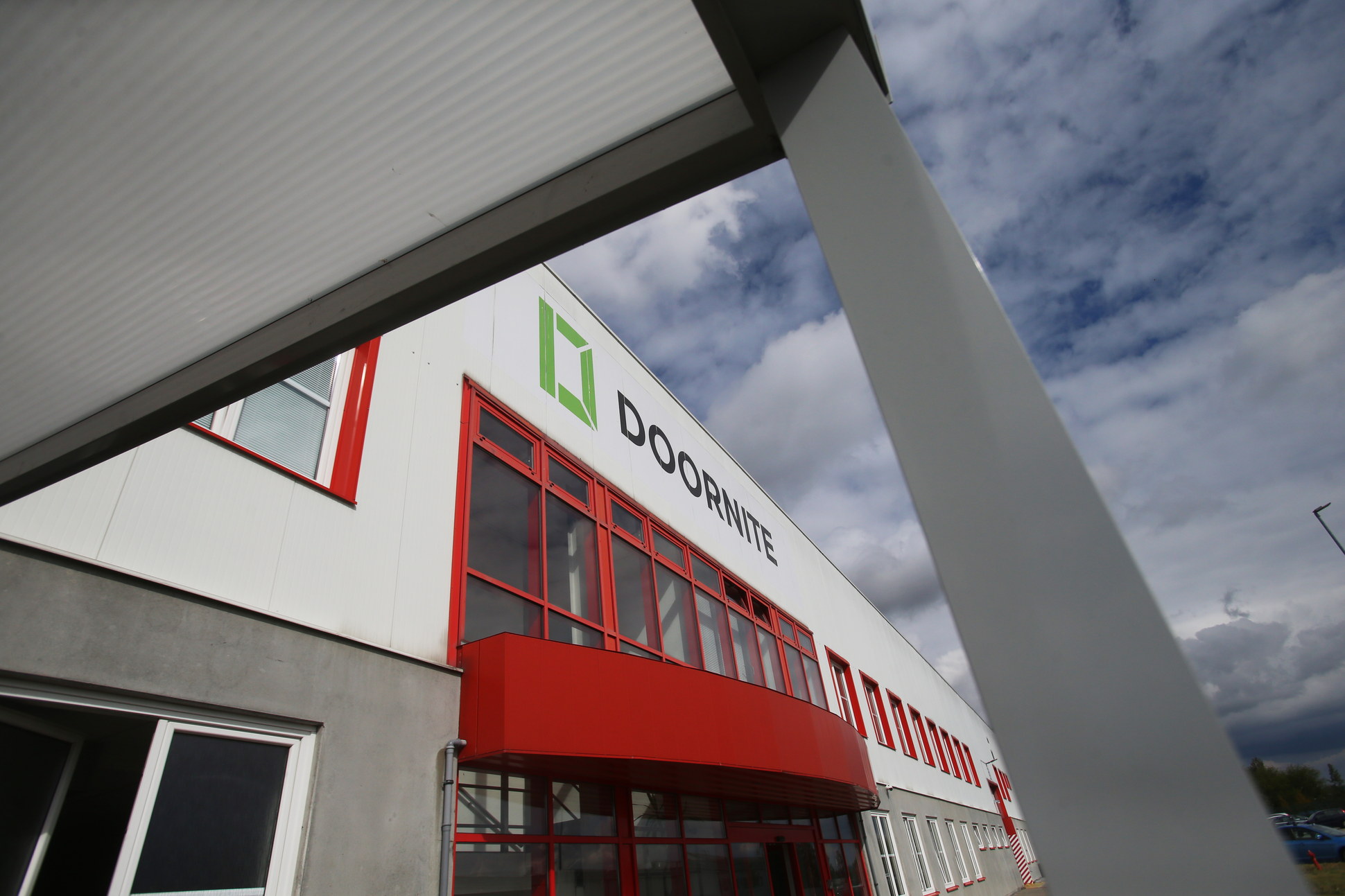
An Instructive History
The tradition of manufacturing interior doors in Jihlava dates back to 1957. In the second half of the 1990s, Kronospan took over the former state-owned enterprise, and construction of the current production complex began under its ownership. It is one of the few facilities in the country designed from the outset for door production. However, even while construction was still underway, Kronospan sold its Jihlava subsidiary, Kronodoor, to the American company Masonite—the world’s largest door manufacturer—in 2004.
The new owner had a number of branches throughout Europe, but business on the Old Continent wasn’t going as well as it was in the United States or Canada, so he began divesting those operations. It was precisely this situation that led to the landmark arrival of Pavel Šatný at the Jihlava branch. Originally, the new CEO was supposed to have a short-term mandate with the task of selling the company. However, under his leadership, it became clear that the results could be better than they had been so far. He was given a permanent contract and began to get the company back on its feet from the ground up.
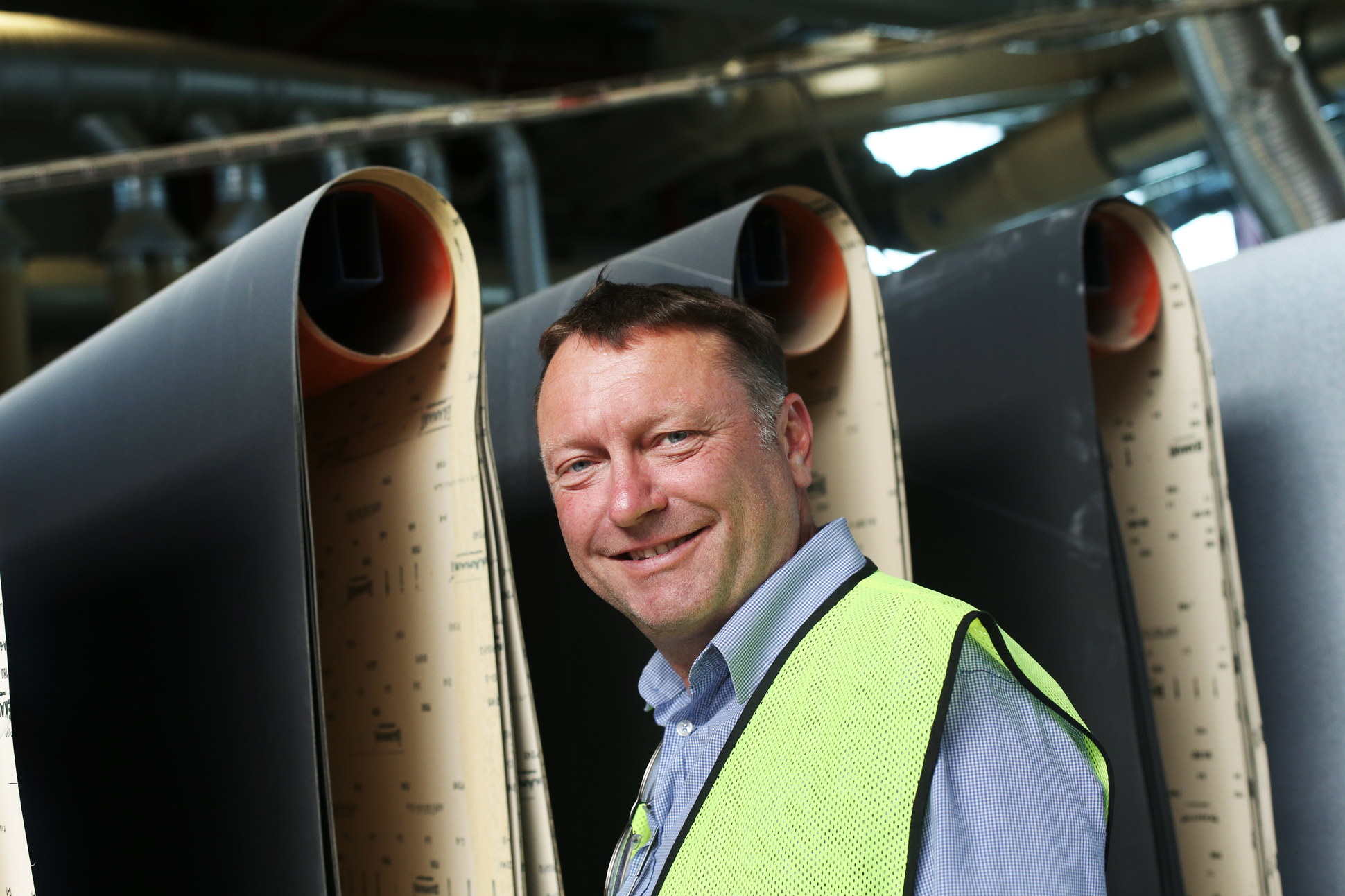
In Czech hands
There were a whole host of problems. Since the company wasn’t very profitable, not much was invested in it. The machines were aging and suffering from wear and tear because production ran practically nonstop, with no time for maintenance. The sales strategy focused on hobby stores. “Our biggest customer was Bauhaus in Germany. They bought 100,000 doors a year, but a 100-koruna note was taped to each one before they were shipped. That’s how much we lost on each piece,” recalls Šatný. It was the first thing he eliminated after taking over.
The main reason the company wasn’t turning a profit, however, was that it only manufactured doors without door frames, which it had to purchase separately. “Meanwhile, there was a rusty door frame production line lying in the yard—it had been imported from Poland, but no one had installed it,” Šatný explains. The company therefore acquired a smaller competitor in Uherské Hradiště and converted its operations to produce door frames.
By then, however, the Czech Republic had become Masonite’s only remaining subsidiary in continental Europe following all the divestitures. So one night in 2020, the vice president of the American company called Pavel Šatný with two pieces of news: “Pavel, we want to sell it, and we want to sell it to you.” According to the current majority owner, there’s a simple explanation for why he was chosen. The Americans were concerned about any potential legal consequences of the sale down the road. The CEO at the time knew everything there was to know about the company after five years, so there was no chance he would bring up any skeletons in the closet.
“I took a day to think it over. I called in my colleagues—David Krubner, our sales and marketing director, and Lubomír Břoušek, our CFO—whom I considered to be key people. It turned out to be the right choice, and together we decided to go for it,” Šatný explains.
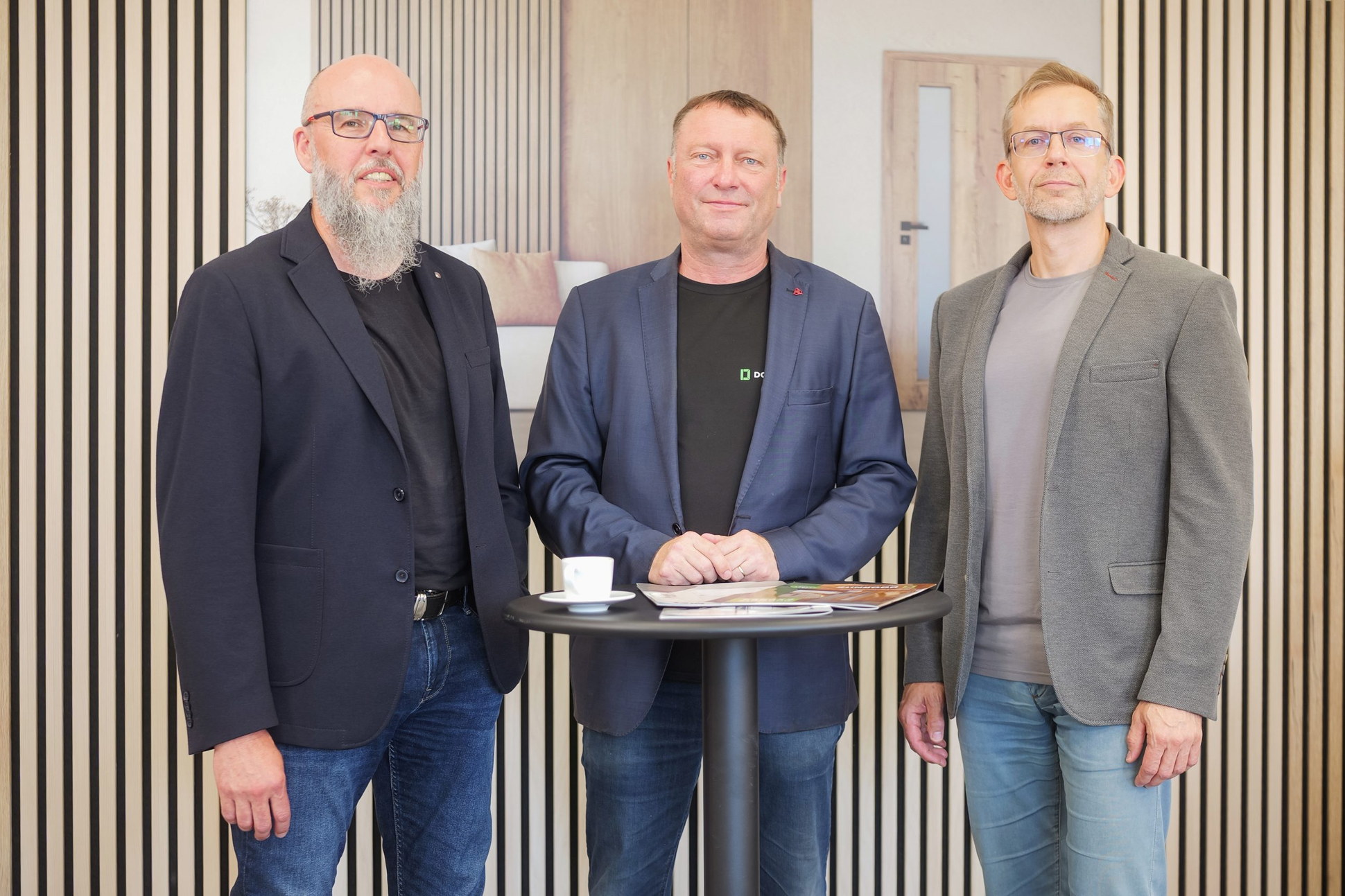
A difficult period of negotiations ensued. At first, the Americans were not satisfied with the price offered. However, Pavel Šatný ignored the advice of one of Masonit’s top executives to let things take their course and immediately sent a higher offer. Then came the task of securing the necessary financing. The trio of managers wanted a 51 percent stake in the company, but they needed significant help with their own down payment, which was to be supplemented by a bank loan.
One deal that had almost been successfully finalized ultimately fell through. Šatný soon realized that he didn’t need to deal with investment funds because he had people around him who had the money. In the end, a college classmate stepped in to co-finance the purchase—he received 40 percent of the company, while the remaining 60 percent went to the three managers. “That was an unattainable outcome when negotiating with investment funds,” says the co-owner of Doornit.
According to the articles of association, management of the company remained entirely in the hands of the three privatizing managers, with Pavel Šatný having the final say in the event of a disagreement. “But we’ve never actually disagreed,” he adds.
The Campaign for Higher Prices
The acquisition of the company was finalized in 2021. This raises the question of what, if anything, the new owners have started doing differently. “Almost nothing. As a manager, I’ve spent my whole life trying to do things the best I could,” says Pavel Šatný. If anything has changed, it’s the brand name. Masonit became Doornite. The speed of decision-making and implementing changes has also increased. Otherwise, the company continued on the course its CEO had set after taking the helm.
First and foremost, this involved a change in business strategy—a shift away from bulk shipments to hobby stores, which under American management had accounted for 80 percent of sales. “I worked in the construction business for a long time, so I knew people in the building materials distribution sector. We reached an agreement with them and began setting up door showrooms at their locations,” Šatný explains. Since construction companies and investors prefer a single supplier, this proved to be a good choice and a growing segment.
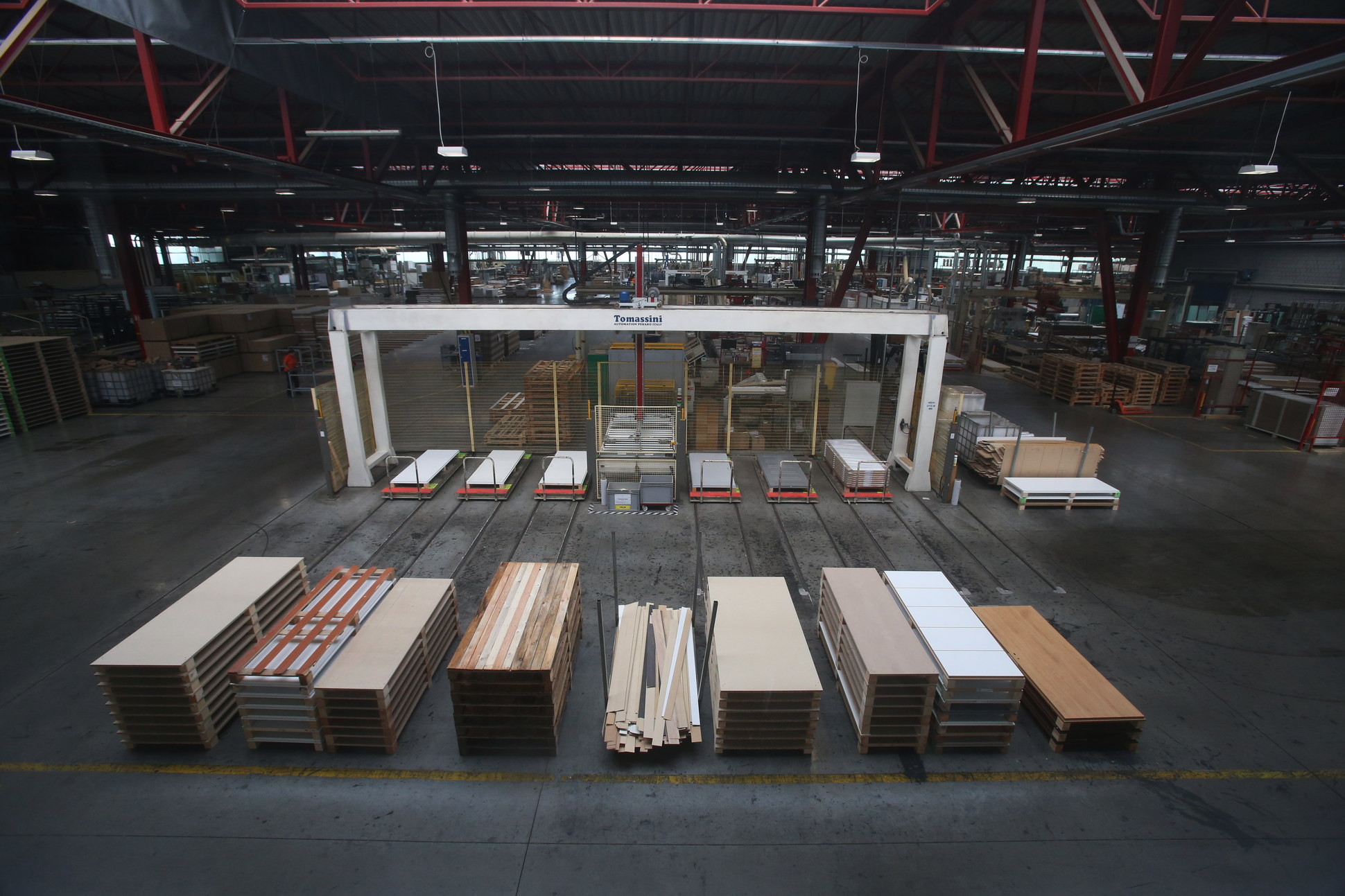
But the company went even further. The inspiration came from the reaction of a manager at a large real estate development firm: “Without proper installation, you’ll never get anything decent out of those doors.” That’s how a subsidiary focused on installation was created, one that’s capable of serving construction sites in any corner of the country. “Not only have we gained the ability to supply directly to real estate development projects, but we’ve also significantly reduced the number of complaints, 95 percent of which are caused by poor installation,” says Šatný.
Since there are never enough sales channels, the company began opening brand-name showrooms in 2017 and now has over 60 of them in the Czech Republic and Slovakia. In total, it operates over 400 sales locations in both countries.
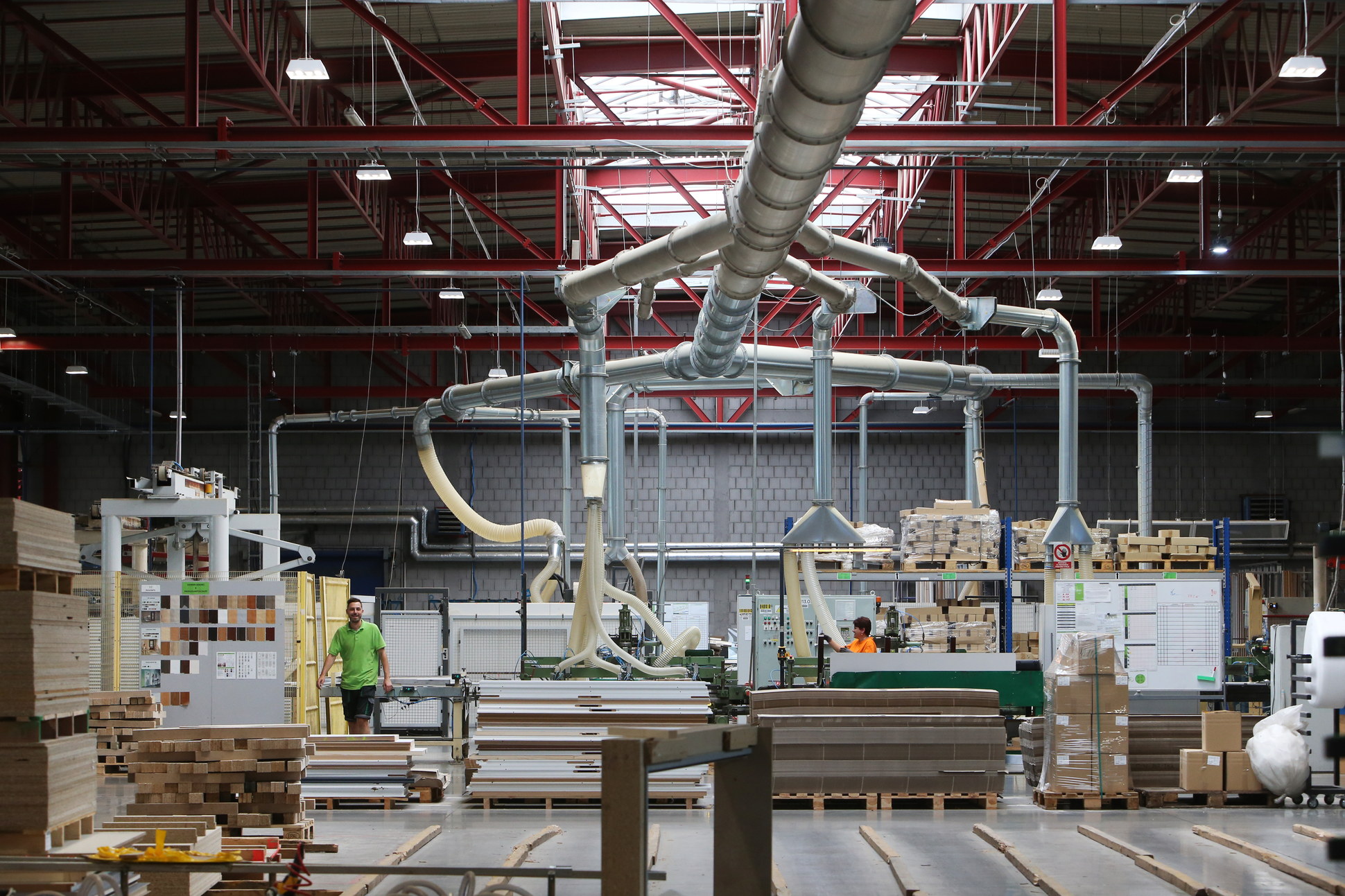
It hasn’t disappeared from hobby stores, but today it offers a different product range there. This is related to the expansion of its portfolio and a shift toward higher-priced products, such as higher-quality doors or those designed for specific purposes—for example, fire-rated or security doors. At the same time, Doornite is moving toward supplying complete interiors. It has also added flooring and acoustic panels to its product lineup. Overall, the change in sales channels and product portfolio means that the company—which produces nearly 500,000 doors and door frames annually—is gradually increasing its average selling price.
However, the largest domestic door manufacturer is not limited to the domestic market. In addition to Slovakia, it supplies 12 other European countries, from North Macedonia to Belgium. “The company was well-positioned for this because it can manufacture according to the various technical standards that apply in individual countries,” explains Pavel Šatný. For example, its current Italian and Dutch partners found the Czech company on their own thanks to its reputation in the European market. Exports currently account for roughly 40 percent of Doornit’s physical sales volume and about one-third of its revenue.
- 1957 The JIHOMORAVSKÉ DŘEVAŘSKÉ ZÁVODY company was founded.
- 1997 German company KRONODOOR took over production in Jihlava.
- 2004 The company became part of the American MASONITE group.
- 9/2015 Pavel Šatný became the chief executive officer.
- 4/2016 David Krubner took up the post of sales and marketing director.
- 7/2016 Lubomír Břoušek joined the management.
- 2017 The first branded showroom opened.
- 2019 The company bought TOPDOORS and turned it into a plant specializing in door frames.
- 6/2021 A management buyout was completed, through which the company passed into Czech hands and was renamed DOORNITE.
- 2023 DOORNITE set up a subsidiary in Serbia and opened a branded showroom in Belgrade.
- 2024 The FLOORNITE and WALLNITE brands were launched.
- 2025 The STEEL DESIGN brand was added to the portfolio.
- 2025 The company had 50 branded showrooms in Czechia and Slovakia.
- 7/2026 DOORNITE was transformed into a joint-stock company.
Clarity on Development Plans
Growth requires investment. Compared to the era under American ownership, the company has significantly increased its investment from a previous average of around 10 million crowns per year to roughly 50 million. According to Pavel Šatný, there is enormous room for growth in interior design, with new and often unique opportunities continually emerging. This is one of the reasons why Doornite decided to raise capital by going public.
He plans to use the funds raised in several ways. He also wants to use innovation to move toward more expensive products with higher added value. At the same time, he has been working on automation and digitization for the long term. In addition to new machinery, he is currently investing heavily in software that will allow him to automatically schedule operations across all facilities. “This will help us increase capacity on our current equipment by 20 percent,” explains Šatný, noting that capacity is currently fully booked. Because diversification is a safeguard for stability, the company also intends to strengthen its position in foreign markets where it already operates—particularly in the Balkans. And last but not least, it is considering acquisitions.
